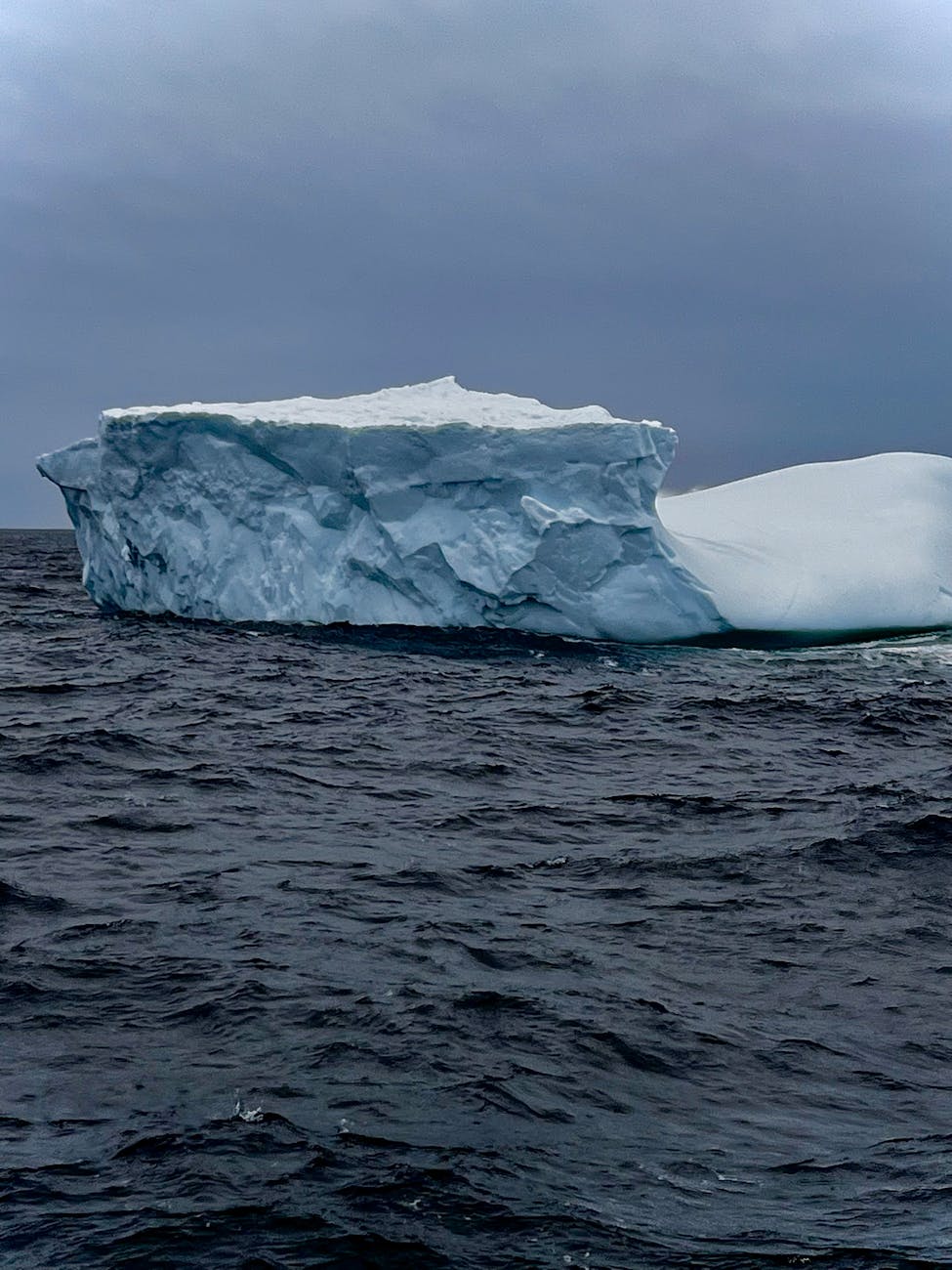
One of Newfoundland and Labrador’s most iconic natural attractions is back for the season.
Icebergs are making their way through Iceberg Alley, the stretch of ocean along the coast of Labrador and Newfoundland where massive pieces of ice drift south each spring and early summer.
If you’ve been wanting to see one in real life, late May and early June are often considered some of the best times to go iceberg hunting along the coast.
When Is Iceberg Season in Newfoundland?
According to Newfoundland and Labrador Tourism, icebergs travel through Iceberg Alley from spring to early summer.
While bergs are often most plentiful in April and May, they can still be trapped in sea ice earlier in the season, which can make viewing by boat more difficult. Because of that, Newfoundland and Labrador Tourism suggests late May and early June as some of the best times for viewing along the coast of Newfoundland.
In Labrador, the season can stretch longer, typically from March to July.
What Is Iceberg Alley?
Iceberg Alley refers to the coastal route where icebergs drift down from the Arctic and Greenland toward Newfoundland and Labrador.
These icebergs can be seen from shore, by boat tour, or from coastal trails and lookout points, depending on location, weather, and sea conditions.
Because iceberg movement depends on wind, currents, and weather, sightings can change quickly. Tools like IcebergFinder.com are often used to track recent sightings and help people plan where to go.
Best Places To See Icebergs in Newfoundland
If you’re planning a spring or early summer trip, these are some of the best-known areas for iceberg viewing.
Twillingate
Twillingate is one of the most famous iceberg-viewing destinations in Newfoundland.
Known as the Iceberg Capital of the World, it is a popular place for boat tours, coastal viewpoints, and scenic drives during iceberg season.
It is also one of the best places to pair iceberg viewing with small-town charm, seafood, hiking, and coastal exploring.
Bonavista
Bonavista is another strong option for iceberg viewing, especially if you want a mix of history, scenery, and coastal views.
The area is known for dramatic cliffs, lighthouse views, and plenty of places to stop along the coast.
It is also a great road trip destination if you want to make a full weekend out of it.
St. Anthony
If you’re heading farther north, St. Anthony is one of the best-known iceberg spots in Newfoundland and Labrador.
Because it is farther north, the iceberg season can last a bit longer here than in some southern parts of the island.
Newfoundland and Labrador Tourism notes that the last bergs often melt near St. Anthony in early August, while they may disappear earlier around Twillingate and St. John’s.
St. John’s and the Avalon Peninsula
You do not always need to travel far from St. John’s to catch an iceberg.
Depending on conditions, icebergs can sometimes be spotted around the Avalon Peninsula, including areas near:
- Signal Hill
- Cape Spear
- Bay Bulls
- Witless Bay
- Ferryland
This makes it a good option if you’re visiting St. John’s and want to add iceberg viewing to your trip without going too far.
Ferryland
Ferryland has become well known for iceberg sightings in past seasons and is one of the more scenic coastal stops on the Avalon Peninsula.
It is also a great place for a day trip if you want ocean views, history, and the chance of spotting icebergs from shore.
Tips Before You Go
Iceberg viewing is never guaranteed, so it is best to plan with some flexibility.
Before heading out:
- Check recent sightings on IcebergFinder
- Dress warmly, even in spring
- Bring binoculars if viewing from shore
- Be flexible with timing
- Consider a local boat tour if conditions allow
The best part is that even if the icebergs are unpredictable, the coastal towns, trails, and views are still worth the trip.
Why It’s Worth Seeing
There is something surreal about seeing a massive iceberg floating past the coast of Newfoundland.
It is one of those experiences that feels completely unique to this part of Atlantic Canada, and it is only available for a limited time each year.
Whether you’re planning a full road trip or just hoping to catch one from shore, iceberg season is one of the best excuses to explore Newfoundland this spring.
References
Newfoundland and Labrador Tourism. (2026). Iceberg Viewing.
https://www.newfoundlandlabrador.com/things-to-do/iceberg-viewing
Newfoundland and Labrador Tourism. (2026). Iceberg Viewing Tips.
https://www.newfoundlandlabrador.com/trip-ideas/travel-stories/iceberg-viewing-tips
IcebergFinder.com. (2026). Iceberg Finder.
https://icebergfinder.com/
IcebergFinder.com. (2026). Iceberg Finder Map.
https://icebergfinder.com/map
Environment and Climate Change Canada. (2026). Iceberg Bulletin for the East Coast Waters.
https://weather.gc.ca/marine/marine_bulletins_e.html?Bulletin=ficn10.cwis

Leave a Reply