Atlantic Canada looks small on the map,four provinces tucked into the corner of the country, but travel here isn’t as simple as it seems. Distances are longer, weather changes faster, and the ocean plays by its own rules.
Here are the classic rookie mistakes travellers make across Nova Scotia, New Brunswick, Prince Edward Island, and Newfoundland & Labrador, with insider tips so you can do it right the first time.
1. Not checking the tides in the Bay of Fundy 🌊
Fundy’s tides rise and fall up to 16 metres (50 feet) twice a day. Visit at the wrong time and you’ll either see muddy flats or miss walking on the ocean floor completely.
How to avoid it:
- Look up local tide charts for Hopewell Rocks, Fundy Trail, or Alma.
- Plan two visits, one at low tide (to walk) and one six hours later (to kayak).
- Remember: every spot has slightly different timing.
2. Assuming everything’s open year-round 🕐
PEI lobster shacks, Cape Breton motels, even some whale-watching tours shut down after Labour Day. Same goes for many small-town cafés in New Brunswick and coastal NS.
How to avoid it:
- Visit June to August if you want full service everywhere.
- In shoulder season (May or Sept), call ahead or check Facebook pages, locals update those first.
- Bring snacks if you’re road-tripping off-season; some stretches have no food for hours.
3. Underestimating Cape Breton distances ⛰️
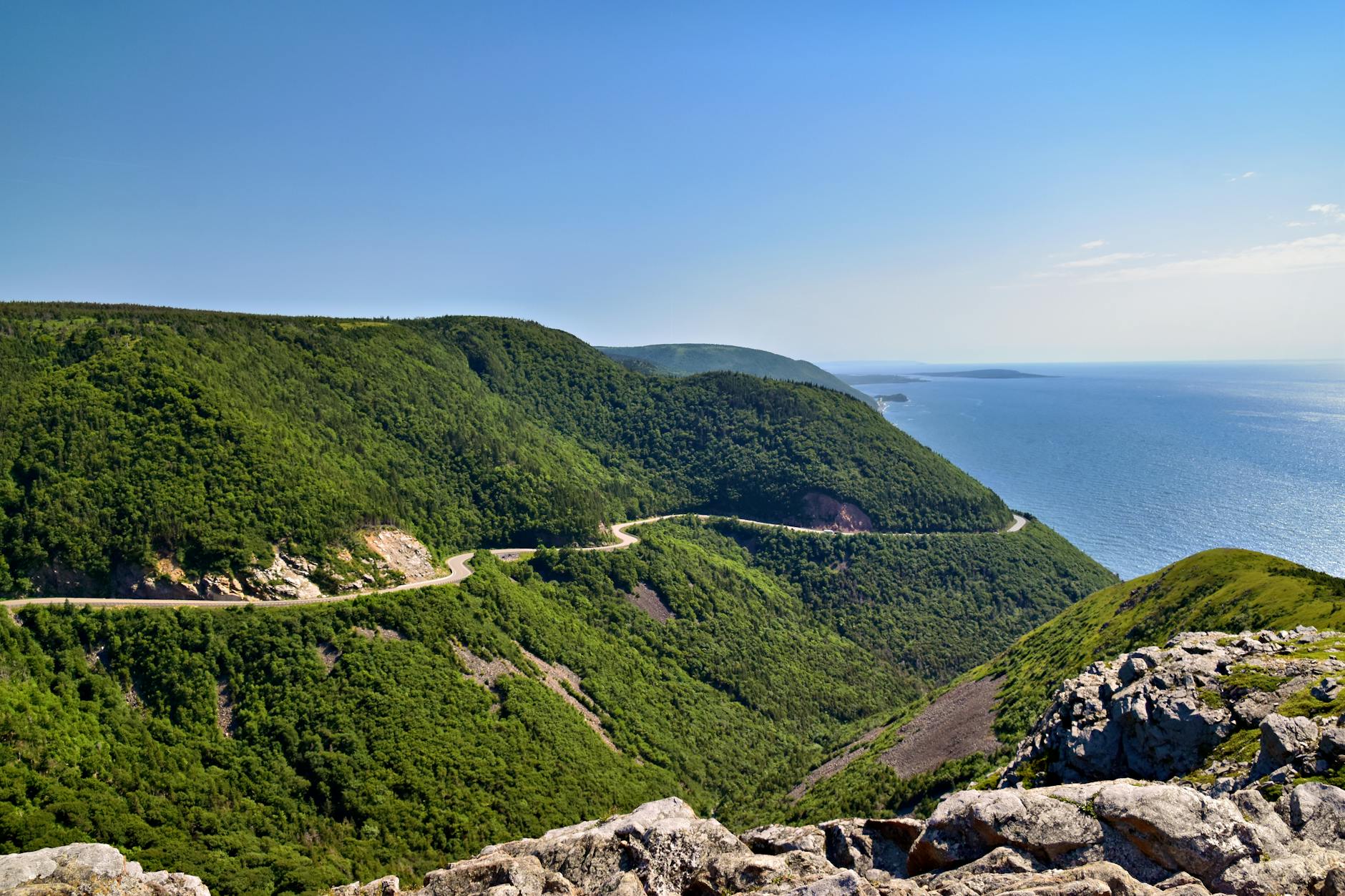
People think they can “do the Cabot Trail” in half a day. Technically yes, but you’ll miss everything that makes it worth doing. The loop is over 300 km of winding coastal road with constant photo stops.
How to avoid it:
- Give yourself at least one full day, ideally two.
- Stay overnight in Ingonish or Cheticamp to actually explore.
- Gas up before leaving major towns, stations are sparse on the north coast.
4. Thinking you can “just pop over” to Newfoundland 🚢
The Marine Atlantic ferry is not a quick detour, it’s a 7- to 16-hour crossing that books up weeks in advance during summer. Arriving at the terminal hoping for a spot rarely works.
How to avoid it:
- Reserve your ferry (and cabin if overnight) early, like, months early.
- Factor in weather delays; crossings can be cancelled for wind or fog.
- Flying St. John’s ↔ Halifax is often faster and sometimes cheaper.
5. Expecting cell service everywhere 📵
Once you leave major towns, cell coverage drops fast, especially in Cape Breton Highlands, rural NB, western PEI, and large parts of Newfoundland.
How to avoid it:
- Download offline Google Maps before your trip.
- Carry a printed map if you’re doing backroads or national parks.
- Tell someone your route before long hikes or remote drives.
6. Packing for summer like it’s Toronto 🧥
Atlantic summers look warm online, until the fog rolls in. A 25 °C day can turn into 12 °C with sideways rain in minutes.
How to avoid it:
- Pack layers: hoodie, windbreaker, and waterproof jacket.
- Bring a hat for wind and sunscreen for the next minute when the sun returns.
- Locals say: “If you don’t like the weather, wait five minutes.”
7. Booking everything last-minute 🚫
Atlantic Canada’s population may be small, but summer demand is massive. Car rentals, ferries, and waterfront inns sell out quickly.
How to avoid it:
- Book cars 2-3 months in advance (especially St. John’s, Charlottetown, Halifax).
- Lock in accommodations early for July/August or festival weekends.
- If you’re flexible, travel in May/June or September for easier bookings.
8. Forgetting how rural it really is 🚗
Between big towns, there can be hours of nothing but trees, moose, and radio static. Many visitors get caught low on gas or shocked by long drives.
How to avoid it:
- Always fill up when you pass a gas station.
- Keep snacks, water, and cash (some rural shops are still cash-only).
- Don’t plan tight schedules, part of the magic is stopping spontaneously.
9. Misjudging the ocean 🌬️
That turquoise water in Nova Scotia and PEI looks tropical, until you dip a toe. The Atlantic rarely tops 20 °C. Add strong rip currents, slippery rocks, and rogue waves, and you’ve got real danger.
How to avoid it:
- Swim only at supervised or locally recommended beaches.
- Never turn your back to the waves when taking photos on cliffs or rocks.
- Check surf and tide warnings before coastal hikes.
10. Skipping local culture 🎶
Tourists rush for scenery and forget that Atlantic Canada’s soul is its people, the music, stories, and small-town kindness.
How to avoid it:
- Go to a kitchen party or ceilidh, talk to artists at markets, visit Indigenous cultural sites.
- Try regional food: toutons (NL), donair (NS), Acadian poutines râpées (NB), lobster supper (PEI).
- Ask locals for recommendations, they’ll send you somewhere unforgettable.
Bonus: Trying to see all 4 provinces in one week 🗺️
You’ll spend more time driving than exploring. Each province deserves its own trip.
How to avoid it:
- If you only have a week, pick two max, like Nova Scotia + PEI or NB + NL (west coast).
- For the “full loop,” plan 2–3 weeks minimum.
Atlantic Canada rewards travellers who slow down, plan ahead, and respect the weather.
It’s not a checklist, it’s a rhythm. When you lean into the pace, the people, and the power of the ocean, you’ll understand why locals never want to leave.

Leave a Reply